
Viscoelastics for Eye Surgery: What They Are and Why They Matter
Ophthalmic viscosurgical devices (OVD) are a key material used during eye surgery, maintaining the anterior chamber and protecting corneal tissue.
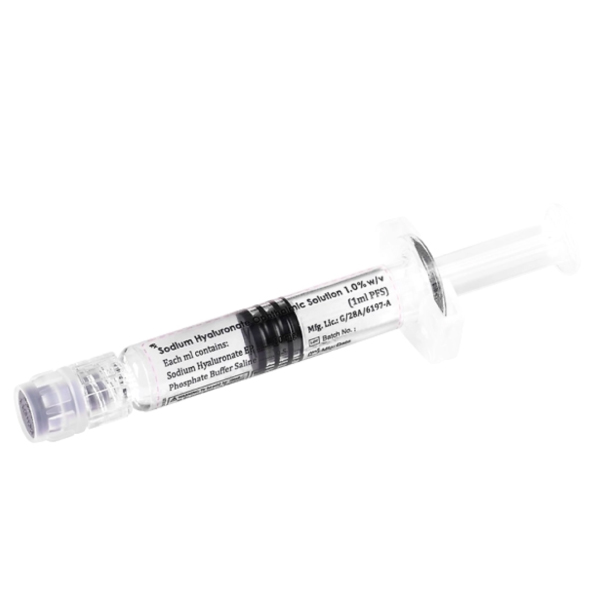
Viscoelastics, or ophthalmic viscosurgical devices (OVD), are viscous materials used during ophthalmic surgery — especially cataract surgery — and play a key role in preserving the surgeon’s working space.
Main Functions of Viscoelastics
- Maintain the anterior chamber throughout the procedure
- Protect the corneal endothelial cells from trauma
- Lubricate and assist implantation of the intraocular lens
Types of Viscoelastics
Viscoelastics are broadly divided into cohesive types such as sodium hyaluronate — easy to remove and excellent at maintaining the anterior chamber — and HPMC-based products, which are a cost-effective and safe option.
Choosing the Right One
The choice depends on the surgical technique and the surgeon’s judgment. What matters most is selecting a product that is highly transparent, sterile, and certified — for the best surgical outcome.
Browse the viscoelastics — both Sodium Hyaluronate and HPMC — imported and distributed by Japan Enterprise and certified to ISO 13485, CE and Thai FDA.
Related Articles
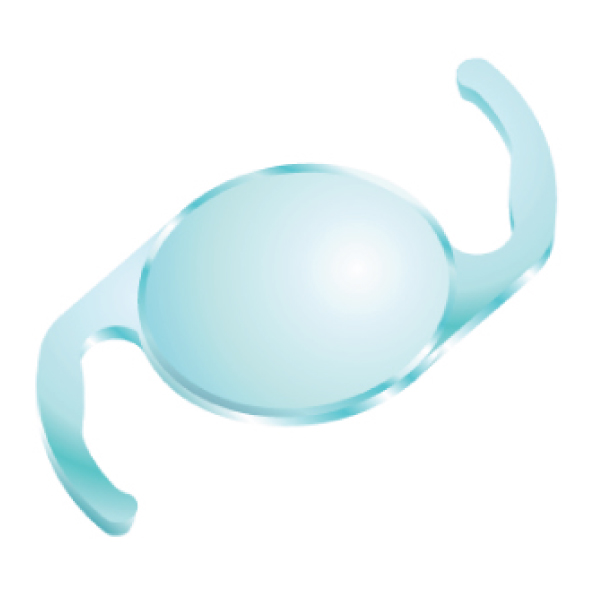
What Affects the Price of an Intraocular Lens?
Intraocular lens prices vary by lens type, technology, material, and certification. This article explains the factors that affect the price to help you decide.
Read Article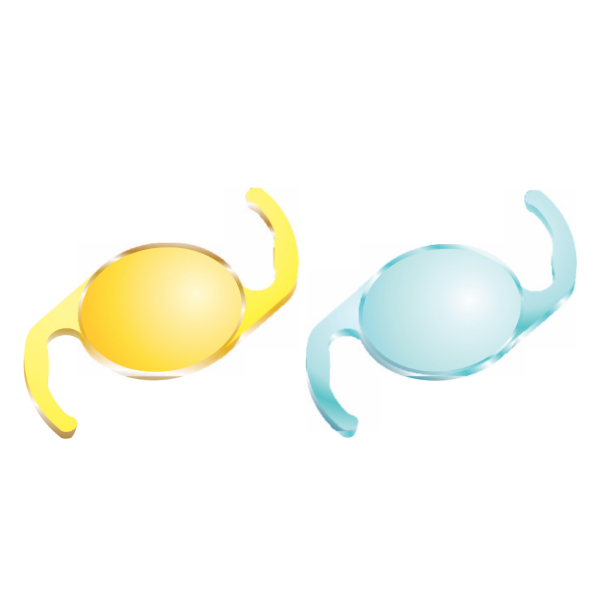
How Long Does an Intraocular Lens Last? Does It Need Replacing?
Intraocular lenses are designed to last a lifetime and generally never need replacing. This article explains their lifespan and post-operative care.
Read Article Monofocal, Toric, EDoF, or Multifocal IOL: Which to Choose?
A comparison of intraocular lens types — Monofocal, Toric, EDoF, and Multifocal — to help choose the right lens for your vision and lifestyle.
Read Article